
‘Stuart Fails to Save the Universe’ Creator Explains the Show’s Mind-Bending Multiverse Rules
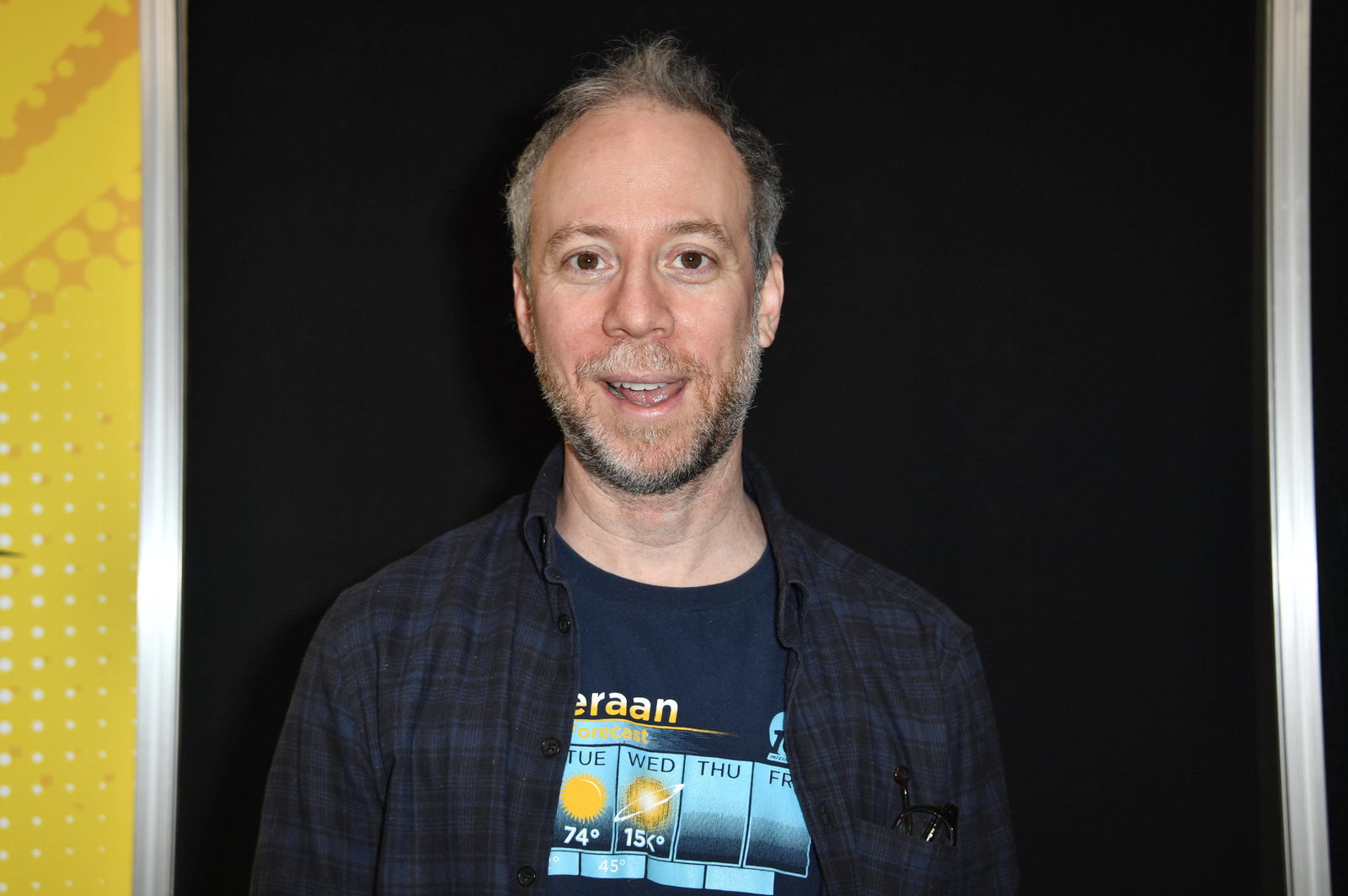
Kevin Sussman auf der German Comic Con Dortmund Spring Edition 2022 in der Messehalle. Dortmund, 24.04.2022 *** Kevin Sussman at the German Comic Con Dortmund Spring Edition 2022 at the Messehalle Dortmund, 24 04 2022 Foto:xN.xKubelkax xFuturexImage
Kevin Sussman auf der German Comic Con Dortmund Spring Edition 2022 in der Messehalle. Dortmund, 24.04.2022 *** Kevin Sussman at the German Comic Con Dortmund Spring Edition 2022 at the Messehalle Dortmund, 24 04 2022 Foto:xN.xKubelkax xFuturexImage
Stuart Fails to Save the Universe has officially expanded The Big Bang Theory universe with a decidedly different premise. The new HBO Max series swaps sitcom antics for science-fiction adventure, throwing familiar faces into an apocalyptic world where fractured realities, quantum anomalies and dangerous alternate universes have become the new normal.
The series premiere leaves viewers with no shortage of questions as Stuart Bloom, Bert Kibbler and other returning characters attempt to make sense of a reality that appears to have completely fallen apart. From zombie-infested streets to mysterious tears in space, the show's version of the multiverse quickly establishes itself as both ambitious and unpredictable.
Now, co-creator Bill Prady has explained the science behind the series' biggest twists, revealing how the show's multiverse functions and why its seemingly impossible events are rooted in a surprisingly consistent set of rules.
Bill Prady explains how the show's alternate reality came to exist
The premiere of Stuart Fails to Save the Universe reveals that Leonard, Sheldon and Howard built a quantum interference device that ultimately altered reality, sending Stuart and the others into a post-apocalyptic version of Pasadena. However, according to Bill Prady, the machine didn't simply transport the characters into another universe—it fundamentally rewrote history itself.
"Because when the device malfunctions, it alters reality, but it creates a new past as well." According to Variety, Prady explained that the quantum device's malfunction does not simply transport the characters to another universe—it rewrites reality itself.
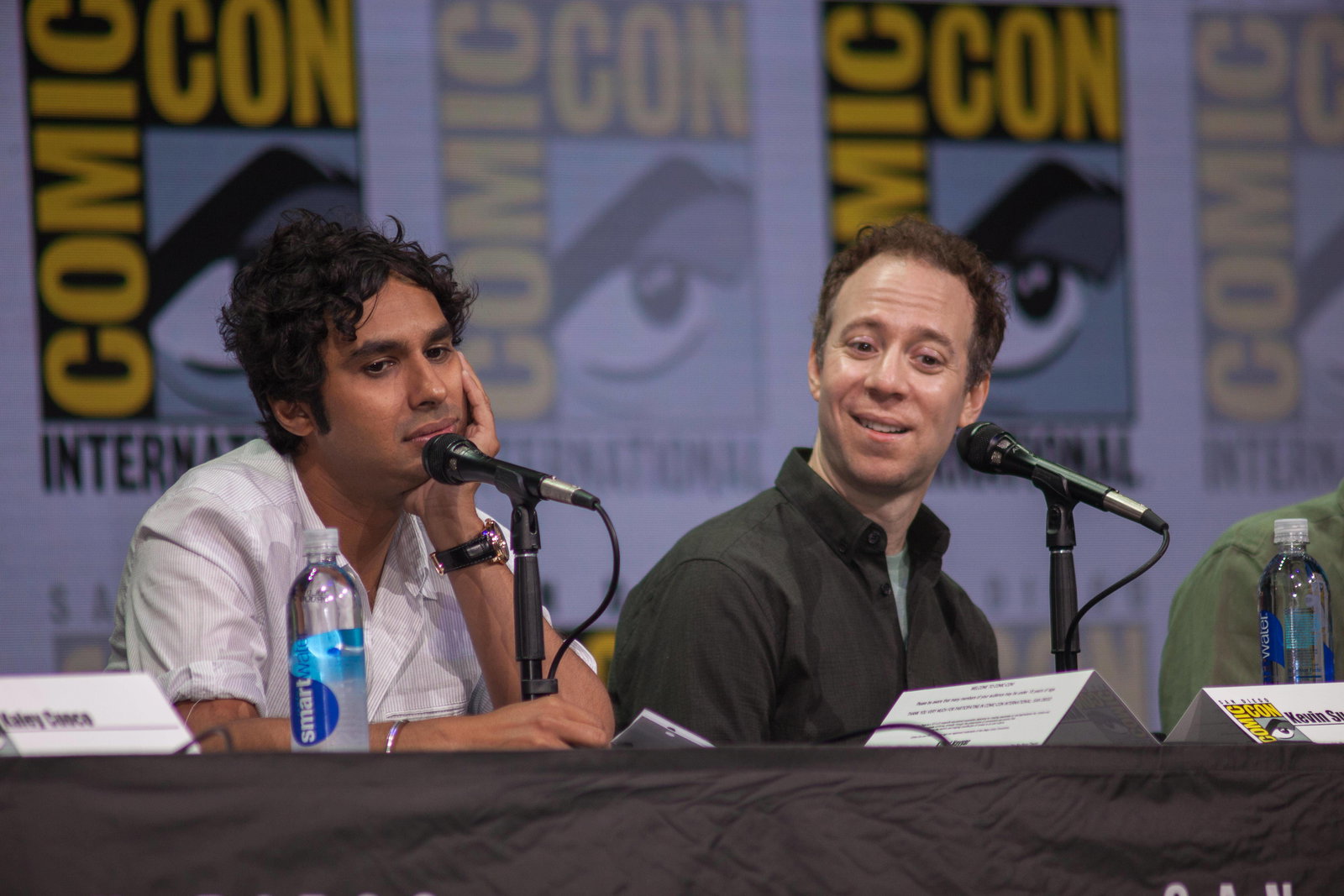
July 21, 2017 - San Diego, US - Day 2 of Comic Con .Even more people turned out today..The Big Bang Theory Special Video Presentation and Q&A.The Big Bang Theory returns to San Diego to take you inside the biggest moments of season 10 and behind the scenes of TV s 1 comedy for a special 10th anniversary panel.Johnny Galecki, Kaley Cuoco, Kunal Nayyar, Mayim Bialik & Kevin Sussman..Seen here:Kunal Nayyar,Kevin Sussman San Diego US - ZUMAf22_ 20170721_zaf_f22_189 Copyright: xDarenxFentimanx
July 21, 2017 - San Diego, US - Day 2 of Comic Con .Even more people turned out today..The Big Bang Theory Special Video Presentation and Q&A.The Big Bang Theory returns to San Diego to take you inside the biggest moments of season 10 and behind the scenes of TV s 1 comedy for a special 10th anniversary panel.Johnny Galecki, Kaley Cuoco, Kunal Nayyar, Mayim Bialik & Kevin Sussman..Seen here:Kunal Nayyar,Kevin Sussman San Diego US - ZUMAf22_ 20170721_zaf_f22_189 Copyright: xDarenxFentimanx
As a result, the present, past and future are all reshaped simultaneously, creating a new timeline in which the apocalypse had already unfolded years before viewers first meet Stuart. Rather than arriving in a world where disaster has just unfolded, the characters find themselves living inside a universe whose entire history has been rewritten.
The series also draws inspiration from real quantum physics concepts, with Prady noting, as reported by Variety, that ideas surrounding multiverses and branching realities provided the scientific foundation for the show's fictional premise. Kevin Sussman, who reprises his role as Stuart, added that understanding the quantum theories behind certain scenes helped him make sense of the increasingly complex story, even joking that fans on Reddit would likely spend plenty of time dissecting the show's science.
However, those rules become even more significant when applied to the premiere's most shocking event, revealing why one major character's fate may not be as straightforward as it first appears.
Raj's fate may not be as straightforward as it appears
The premiere of the series concludes with one of its biggest shocks when Barry Kripke kills Raj just before the quantum device transports Stuart, Bert and Kripke into another universe. Yet Bill Prady suggested that the moment may not be as definitive as audiences initially believe because the answer depends entirely on how the show's multiverse operates.
"Either the universe they just left doesn't exist anymore... or he just killed one Raj out of an infinite number." As quoted by Variety, Bill Prady said the series embraces the branching theory of the multiverse, where every quantum event creates another parallel universe, resulting in an ever-expanding number of realities existing simultaneously.
Credits: CBS
Credits: CBS
While the concept may sound overwhelming, he emphasized that the writers wanted the show's fantasy elements to follow consistent internal rules, ensuring every twist remains grounded within the logic of the universe they created.
That philosophy appears to be at the heart of Stuart Fails to Save the Universe, giving the Big Bang Theory spinoff a scientific framework that could support countless alternate realities—and plenty more adventures—as the series unfolds. Although longtime The Big Bang Theory fans will recognize many familiar faces and references, the premiere also raises an interesting question: can the spinoff be enjoyed without watching its predecessor? As the multiverse expands, future episodes may provide that answer.
What did you make of Stuart Fails to Save the Universe's multiverse rules after the series premiere? Share your theories in the comments!

Edited By: Aliza Siddiqui
